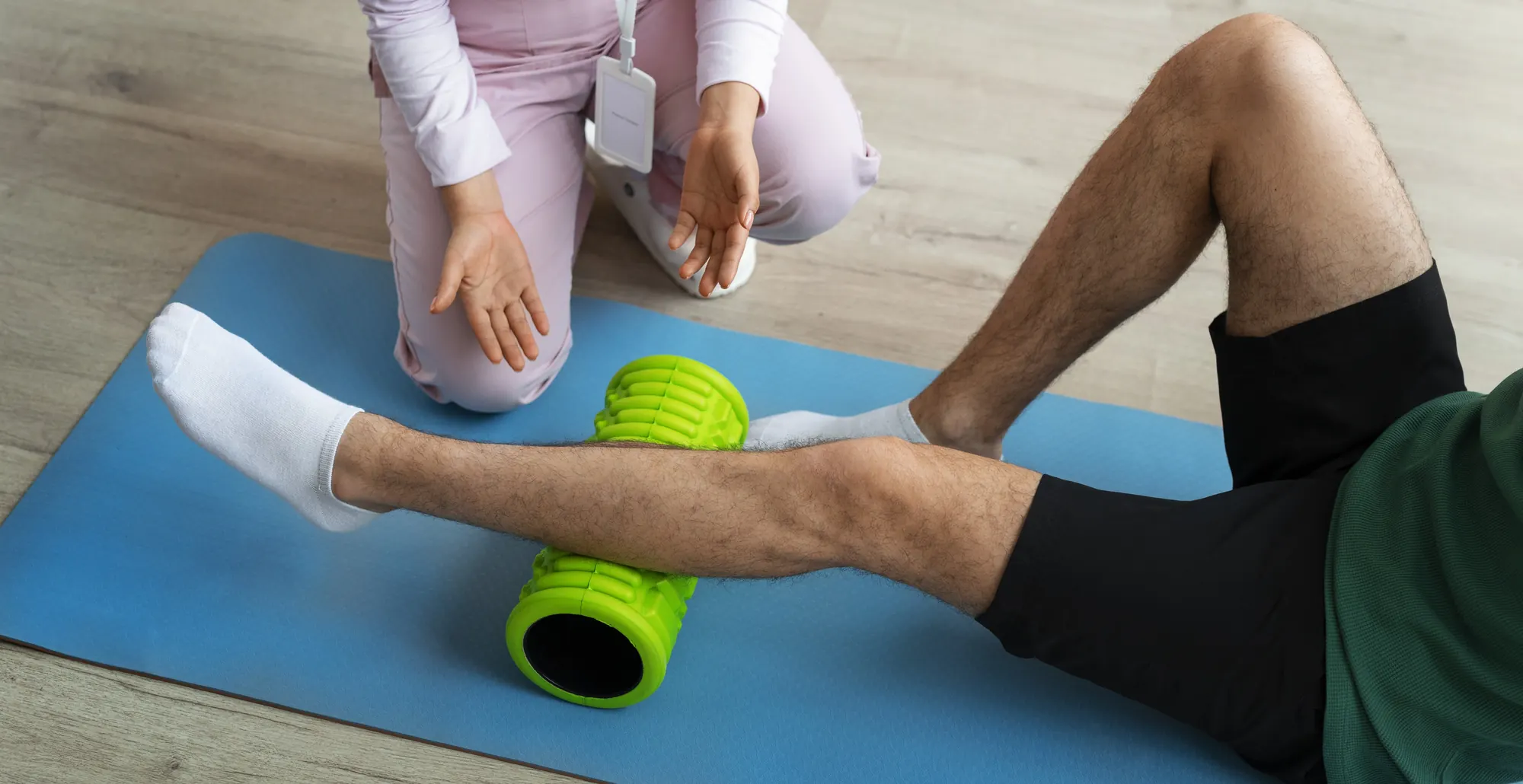
Sports Injury Physiotherapy in Walsall
Assessment-led physiotherapy for runners, cyclists, cheerleaders, gym-goers and athletes. We work out what is causing your pain, treat it, and build a plan around your sport for a safe, gradual return to training.
What Is Sports Injury Physiotherapy?
Sports injury physiotherapy involves assessment and treatment of pain, injury and movement problems that come from sport, exercise or training. It covers acute injuries, such as a pulled muscle or backache after cycling, and chronic injuries that build up gradually through repeated load, such as shin splints or tendon pain.
At Marigold Physio in Walsall, your care starts with your symptoms, your activity levels and what you want to get back to. From there we plan treatment and rehabilitation that fits your sport, and review it as you progress.
Sports Physiotherapy for Sport-Related Injuries
You do not need to be a competitive athlete to benefit. If an injury is getting in the way of the activity you enjoy, an assessment can help you understand why and what to do next.
Runners
Saturday Parkrun, Couch to 5K, amateur running or triathlons — back and hip pain, runner’s knee, Achilles and calf problems, and plantar fasciitis are common.
Football and team sports
Sprinting, kicking, padel, tennis, golf and cricket can cause sudden strain on the hamstring, groin, knee and ankle. Rehab is planned around the demands of your body.
Gym and strength training
Shoulder, back, hip and elbow pain can appear when weights and technique change. We help you keep training while the problem settles, with a guided return.
Racket sports, cycling and more
Repeated overhead, lunging or cycling positions can overload joints and tendons. Treatment looks at the sport-specific movements behind the pain.
Weekend and returning athletes
Starting again after time off, or taking up a new sport, is a common time for niggles. A sensible build-up reduces the chance of setbacks.
When to See a Sports Physiotherapist
Many sports injuries settle with sensible care, but early advice can stop a small problem becoming a long layoff. Consider booking when:
- Pain has lasted more than a few days or keeps returning when you train
- Swelling, bruising or stiffness is not settling
- A joint feels unstable, gives way or catches
- Pain changes how you run, jump, lift or move
- You have an old injury that never fully recovered
- You are returning to sport after a break or surgery and want a safe plan
Sports Injury Treatment in Walsall
Sports injuries can affect muscles, tendons, ligaments and joints. Your assessment helps identify what is contributing to your symptoms and whether physiotherapy is the right next step.
Muscle strains
Hamstring, calf, quadriceps and groin
Strains often happen during sprinting, kicking, jumping or a sudden change of direction. Symptoms can include pain, tenderness, swelling or difficulty using the muscle. Rehab focuses on restoring movement and rebuilding strength for your sport.
Related treatment →Ligament sprains
Ankle, knee (including ACL) and shoulder
A sprain can follow a twist or a joint moving past its usual range, leaving pain, swelling, stiffness or a feeling of instability. Management depends on severity. Significant swelling, being unable to bear weight or a suspected serious ligament injury may need prompt medical assessment.
Tendon injuries
Achilles, patellar, rotator cuff, tennis elbow and golfer’s elbow
Tendon problems can develop when load outpaces capacity. Pain may show up during activity or afterwards. Treatment usually adjusts activity and builds the strength back up with a progressive exercise plan.
Overuse injuries
Runner’s knee, shin splints, IT band pain and plantar fasciitis
These build up when training volume, intensity or frequency rises faster than the body can adapt. We review recent training, movement, strength and recovery, then plan load management and progressive exercises.
Back and neck injuries from sport
Spinal pain linked to training and competition
Exercise can aggravate back or neck pain after sudden movements, contact or repeated loading. Assessment looks at your symptoms, movement and how the problem affects daily life and sport.
Related treatment →What Happens at Your First Appointment
Your first visit is mainly a conversation, an examination and a short treatment so you leave with a clear idea of the next steps.
We listen
Your physiotherapist asks how the injury started, how it behaves, your medical history, your training routine and your goals.
We assess
We check movement, strength, balance and function in the affected area and the joints around it, and look at how you perform the movements your sport needs.
We explain
You get a plain-language explanation of what is likely going on, what may be contributing and whether any further checks are needed.
We agree a plan
Together you agree on treatment, exercises, how to adjust training while you recover, and when you will be reviewed.
What to wear and bring
- Comfortable clothing that lets the affected area be seen and moved (for example shorts for a knee or hip)
- The trainers or boots you use for your sport, if relevant
- Any scan reports, GP letters or previous treatment notes
- A list of any medication and your usual training schedule
Sports Rehabilitation in Walsall
From injury to back in training — rehabilitation is planned around your injury, your current ability and your sporting goals. Progress is reviewed as you improve, rather than tied to a fixed timetable.
Phase 1: Settle and protect
Reduce pain and irritation, protect the injured area and keep everything else moving. You get clear advice on what to continue and what to avoid.
Phase 2: Restore movement and strength
Regain a comfortable range of movement and start loading muscles and tendons with progressive exercises.
Phase 3: Build sport-specific capacity
Add balance, control, power and conditioning, then movements that mirror your sport so you can return comfortably.
Phase 4: Return and reduce risk
A guided return to training and competition, with a plan for managing load and keeping strength so the problem is less likely to come back.
Treatments we may use
Returning to Sport Safely
Returning to sport is about more than waiting for pain to settle. Where appropriate, your physiotherapist reviews strength, movement quality and sport-specific tasks to guide each step up in activity.
Signs you may be ready to step up
- Daily activities are comfortable and pain is settling during and after exercise
- Strength and movement are close to the other side, or to your usual level
- You can complete sport-specific drills without symptoms flaring
- Your training has been built back up in stages, not all at once
How long does recovery take?
It depends on the injury, how severe it is, your general health, the demands of your sport and how you respond to rehabilitation. Mild problems may settle relatively quickly, while complex or persistent ones can take longer. Your physiotherapist can give a realistic estimate once they have assessed you. A timeline is a guide, not a guarantee.
Reducing the risk of another injury
- Increase training load gradually, not in big jumps
- Keep up strength work for the muscles your sport relies on
- Plan rest and recovery into the week
- Warm up for the movements you are about to do
- Get niggles checked early, before they become layoffs
Meet Your Physiotherapist

Deepshikha Kapoor
Lead Physiotherapist, HCPC Registered
Musculoskeletal physiotherapist who works with weekend and regular runners, marathon runners, cyclists, tennis and badminton players, hikers, and athletes across a range of sports — helping with injuries and return-to-sport rehabilitation. Over 16 years of clinical experience across sports, occupational health and post-surgical care.
Full clinician profile →Why Choose Marigold Physio
Assessment-led
Treatment is based on what the examination finds, not a standard routine.
Clear explanations
You understand your injury and the reasons behind each step.
Built around your sport
Exercises and progression reflect the demands of what you do.
Reviewed as you improve
The plan changes with your response.
What Patients Say
“Amazing experience. Really informative and helpful would highly recommend to anyone looking for physiotherapy appointments. Deep was professional and explained everything clearly throughout the treatment.”
“Absolutely amazing. Booked an appointment on the day to get treatment for severe back pain and got the best treatment I can ask for. Very professional and helpful.”
“I was treated by Deepshikha Kapoor post frozen shoulder surgery and was very impressed with her knowledge and professionalism. My shoulder is now very strong and has full movement.”
Book a sports injury appointment in Walsall
You can book online or call the clinic. In most cases you can book directly without a GP referral. If you plan to use private medical insurance or an occupational health scheme, contact us so we can check your insurer’s requirements.
Sports Injury Physiotherapy FAQs
What is the difference between physio and sports physio?+
Physiotherapy helps with a wide range of musculoskeletal problems. Sports physiotherapy applies the same principles to the demands of exercise and sport, including training load, sport-specific movement and return-to-play planning.
Do I need a GP referral to see a sports injury physiotherapist?+
You can book a private physiotherapist directly. Requirements can differ if you are using private medical insurance or an occupational health scheme, so check with the clinic before booking.
What should I expect at my first appointment?+
A discussion of your injury, symptoms, health and goals, followed by an examination of movement, strength and function. Your physio then explains their findings and agrees a plan with you.
How many sessions will I need?+
It depends on the injury, how long you have had it and your goals. Your physiotherapist can discuss what to expect after your assessment and will review the plan as you progress.
Should I rest or keep training with a sports injury?+
See a specialist as soon as you can. An assessment can tell you what is safe to continue.
Can you treat an old or recurring sports injury?+
Yes, an assessment can still help. Your physio reviews the history and current symptoms and guides you in the right direction. Persistent, worsening or unexplained symptoms may need review by another healthcare professional.
Do I have to be an athlete to see a sports physio?+
No. Anyone whose exercise, training or recreational sport is affected by pain or injury can benefit from seeing a sports physio.
Do you accept private medical insurance?+
Acceptance depends on the clinic's arrangements and your policy. Contact Marigold Physio before booking to confirm your insurer and any authorisation you need.
When can I return to running or football after an injury?+
You can return when symptoms, strength and movement allow, and you can progress gradually. Avoid relying on a fixed date alone. Your physio can guide each stage.
Find Marigold Physio in Walsall
Marigold Physiotherapy Clinic
208 Broadway, Walsall, WS1 3HH
Tel: 07561 854 526
Monday – Friday: 9:00 AM – 6:00 PM
Saturday: By appointment
Sunday: Closed
Parking nearby and easy access by public transport. Patients travel from Walsall, Wolverhampton, Birmingham, Dudley, West Bromwich, Cannock, Lichfield, Sutton Coldfield and surrounding areas.
Ready to get back to your sport?
Book an appointment with Marigold Physiotherapy Clinic in Walsall to talk through your symptoms, your goals and the support that may be right for you.